
The Rudy Piro Bloodline – A Critical Evaluation and My Final Verdict


My experience with the Rudy Piro bloodline goes back to 2024, when I exported hatching eggs from Belgium to the Democratic Republic of Congo. Among the eggs I received were eggs from Joost De Meyer, whose breeding stock included birds originating from Rudy Piro.

I decided to give this bloodline an opportunity and evaluate it alongside the other Belgian and colonial bloodlines I had imported. I wanted to see for myself what it could contribute and whether it would fit into my vision of the Bruges fighter.

Unfortunately, my first experience was far from convincing.

1. The First Test – Congo, 2024
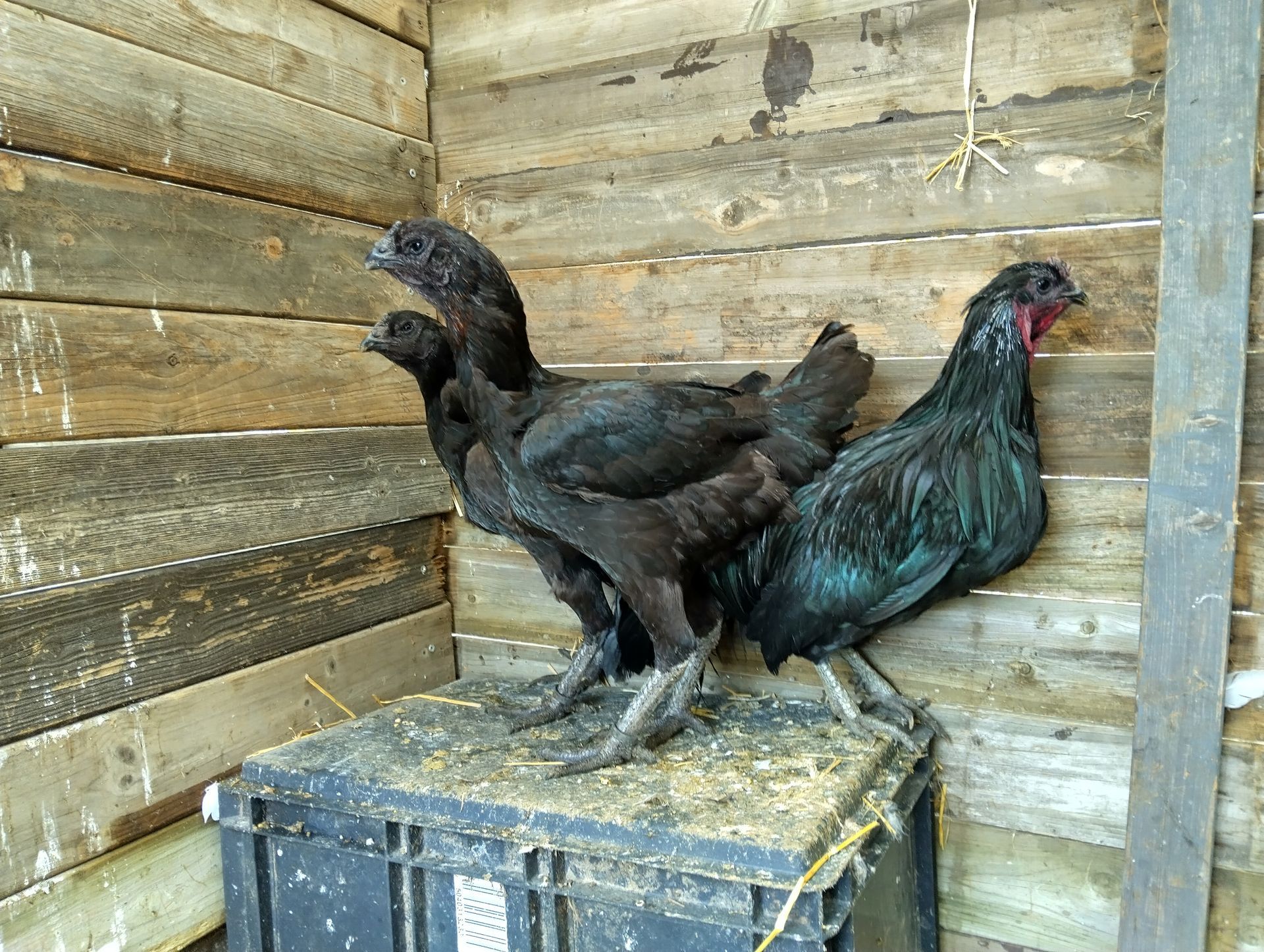
The offspring from the Rudy Piro bloodline produced some very unusual types. Their appearance and overall conformation differed considerably from the other Belgian bloodlines I had imported, as well as from the colonial bloodlines.

I found the results disappointing. The birds simply did not correspond to the type I was trying to establish and preserve.

Rather than starting a breeding programme with animals I was not convinced of, I decided to discontinue the experiment. All the offspring were eventually culled, and I did not retain any of them for further breeding.

At that point, I considered the matter closed.

2. A Second Opportunity – Spring 2026
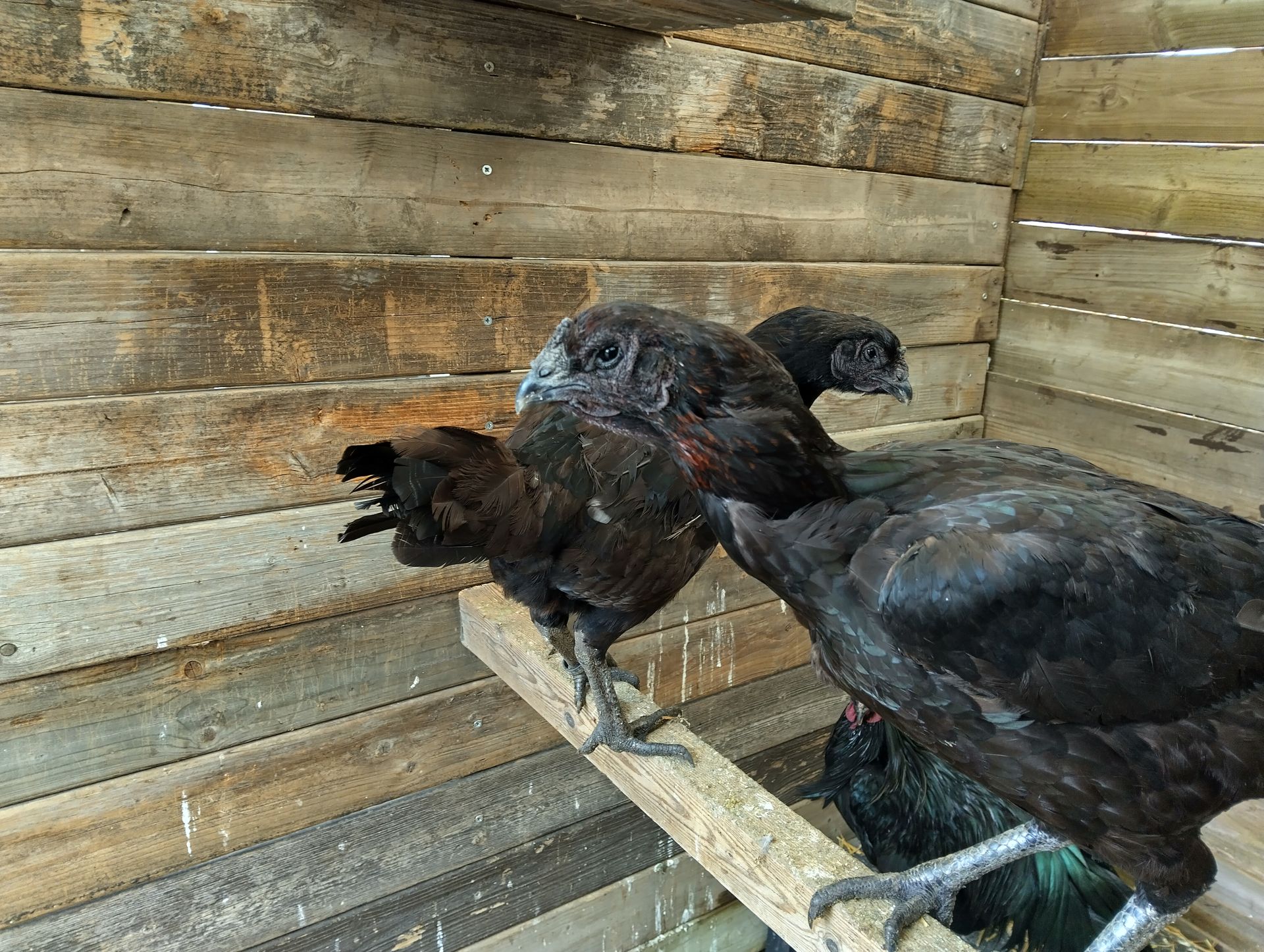
In early spring 2026, Joost De Meyer happened to offer two older Rudy Piro hens for sale.

Despite my previous experience, I decided to give the bloodline one final opportunity. I purchased the two hens, intending to observe them throughout the summer and reassess my initial judgement.

However, the longer I observed them, the less convinced I became.

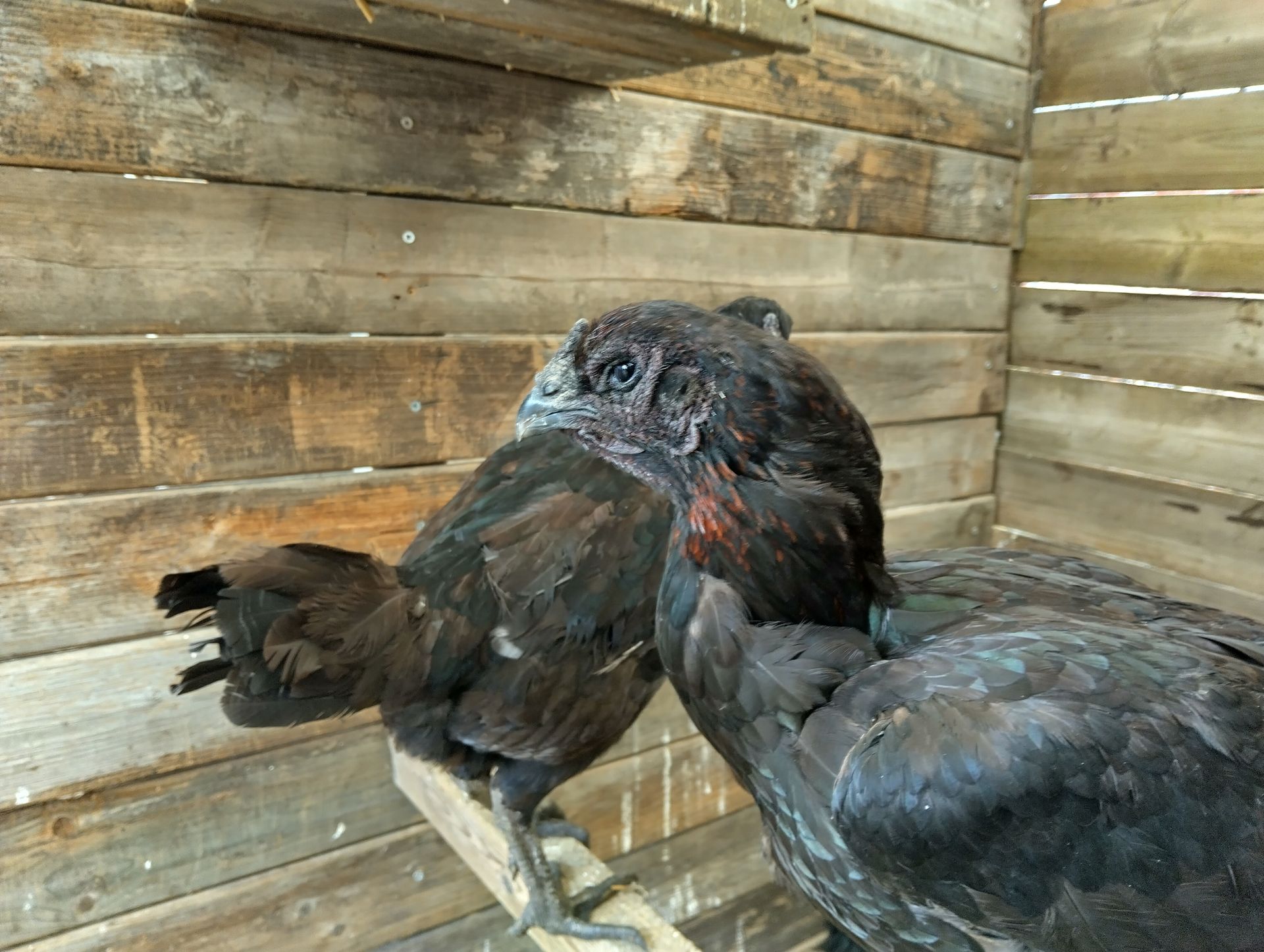
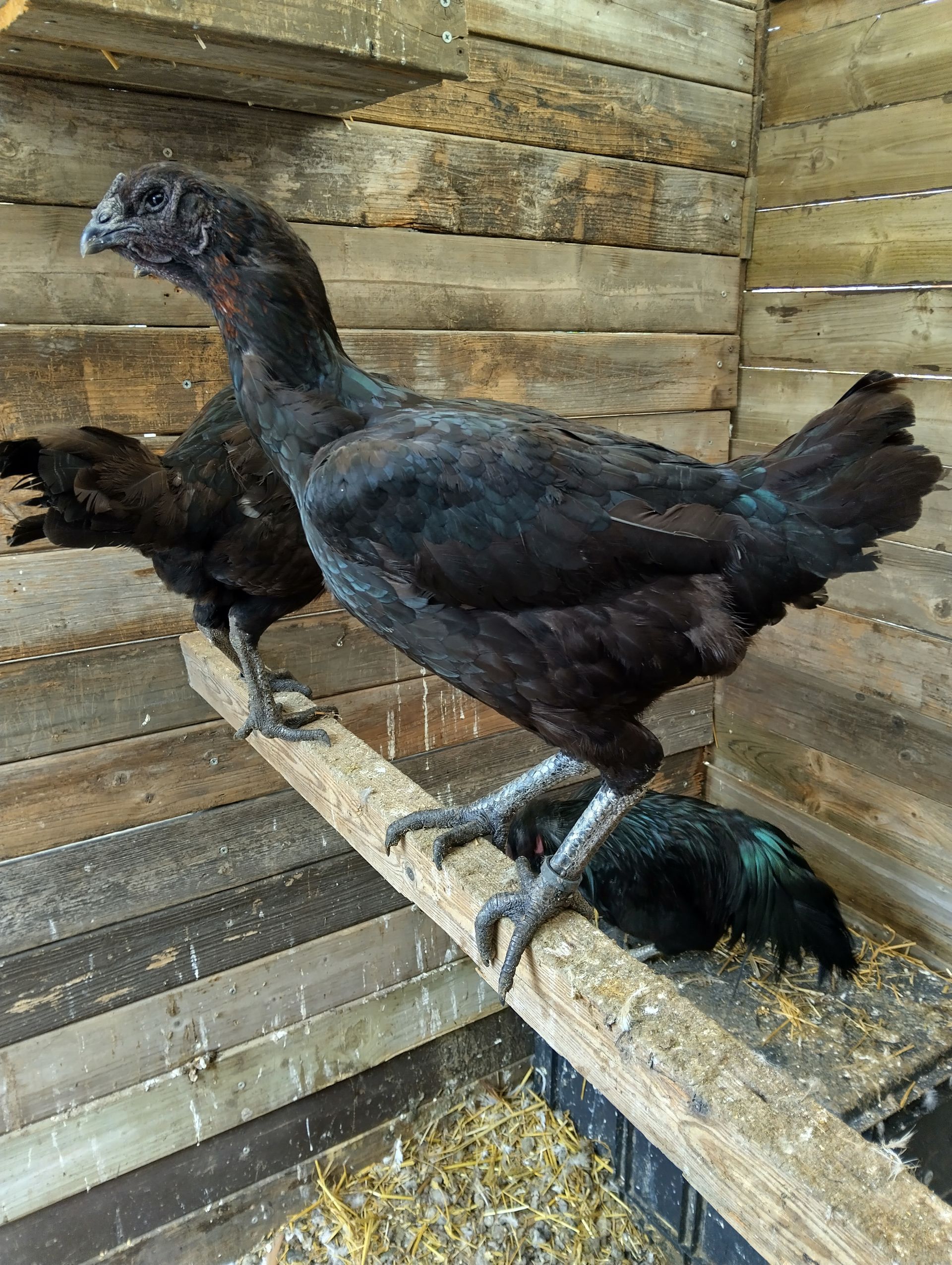
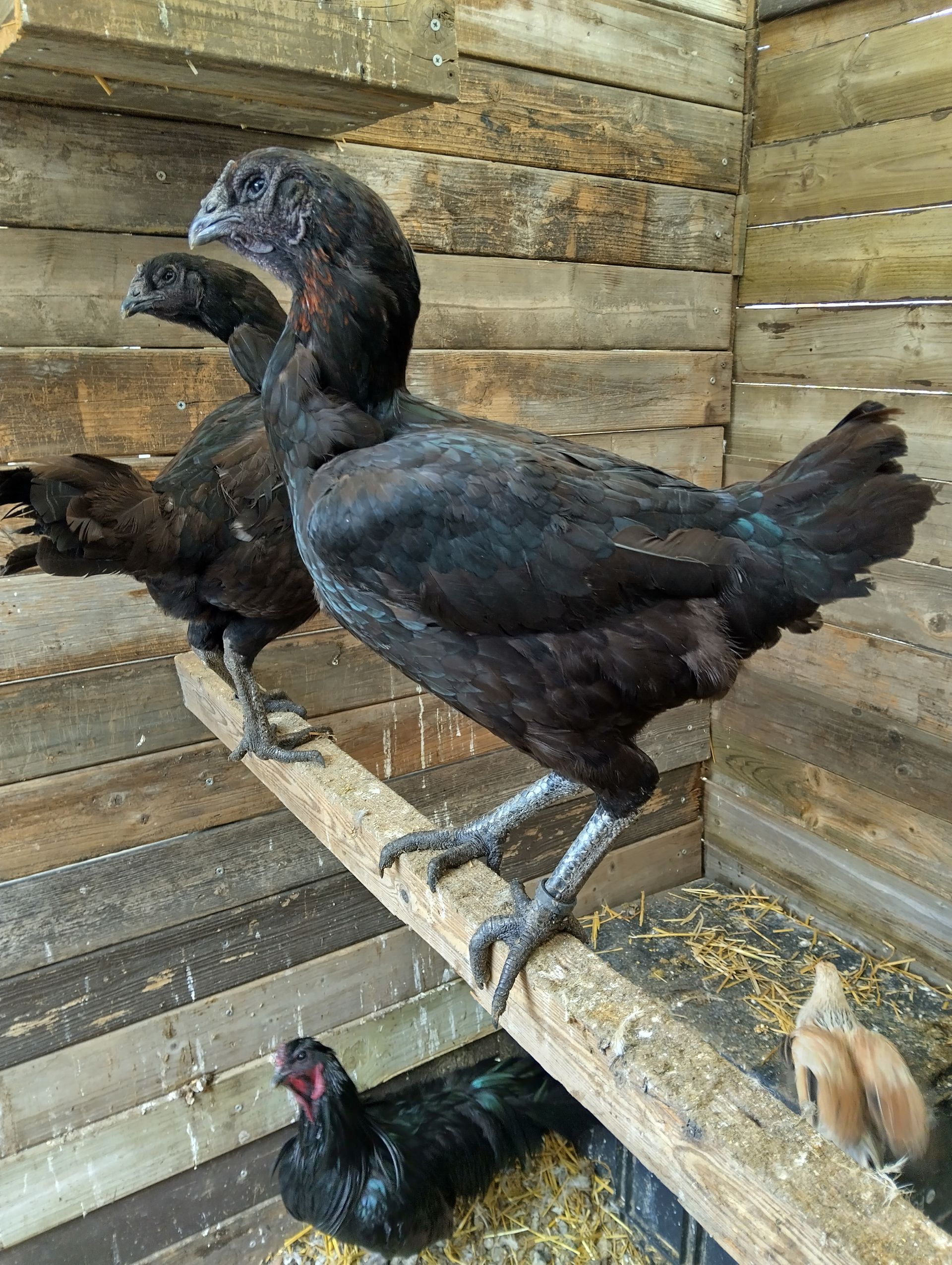
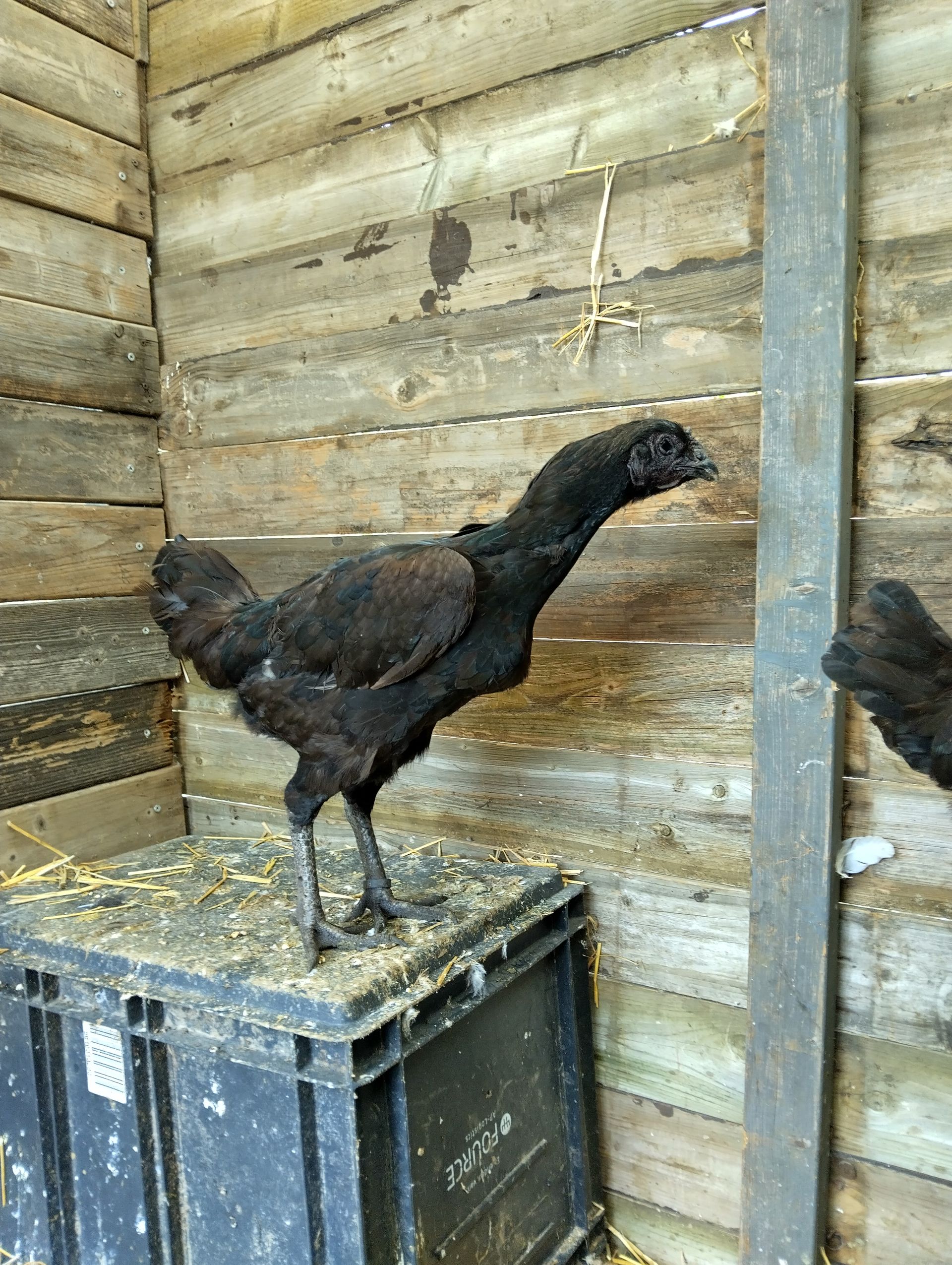
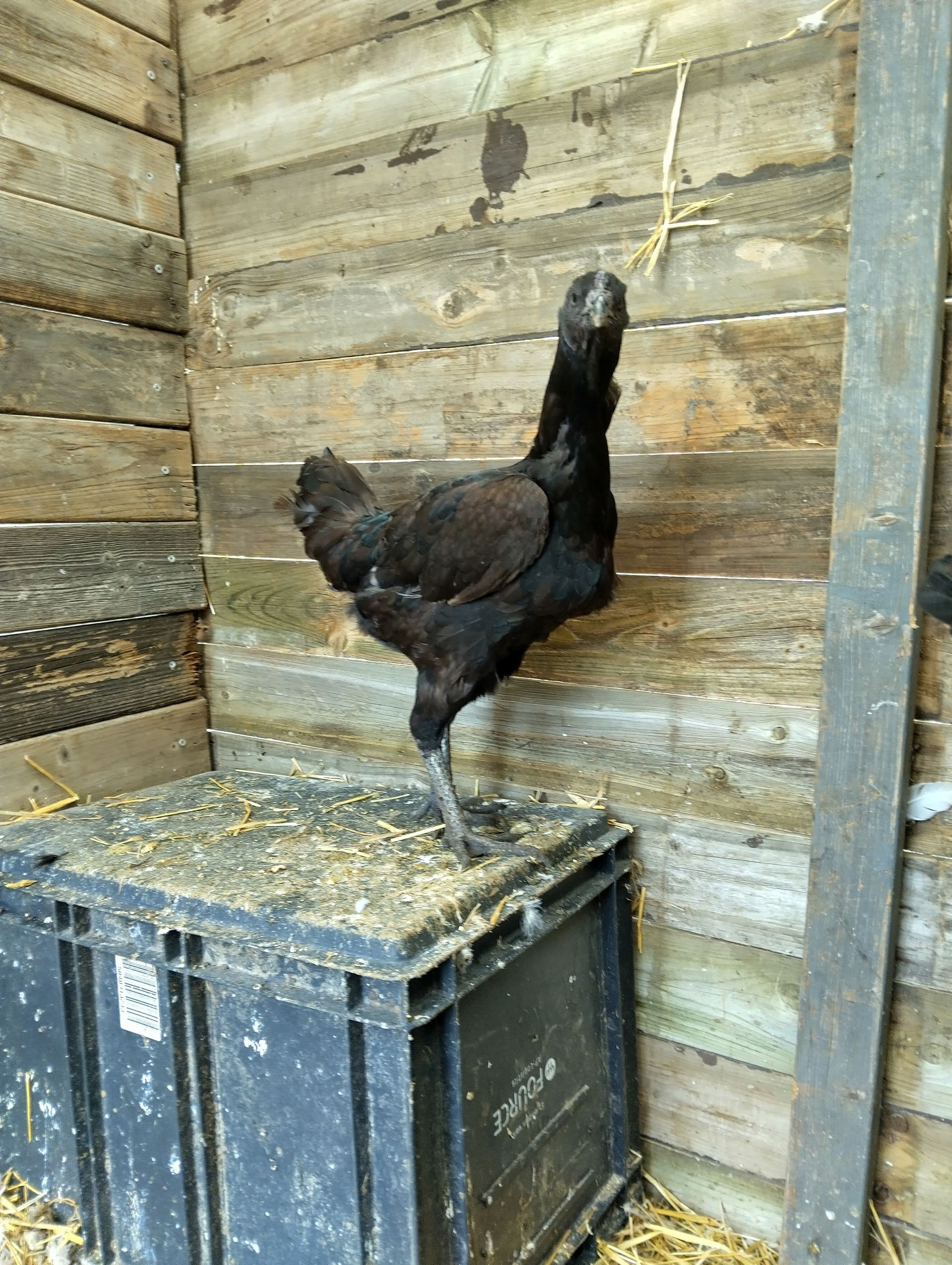
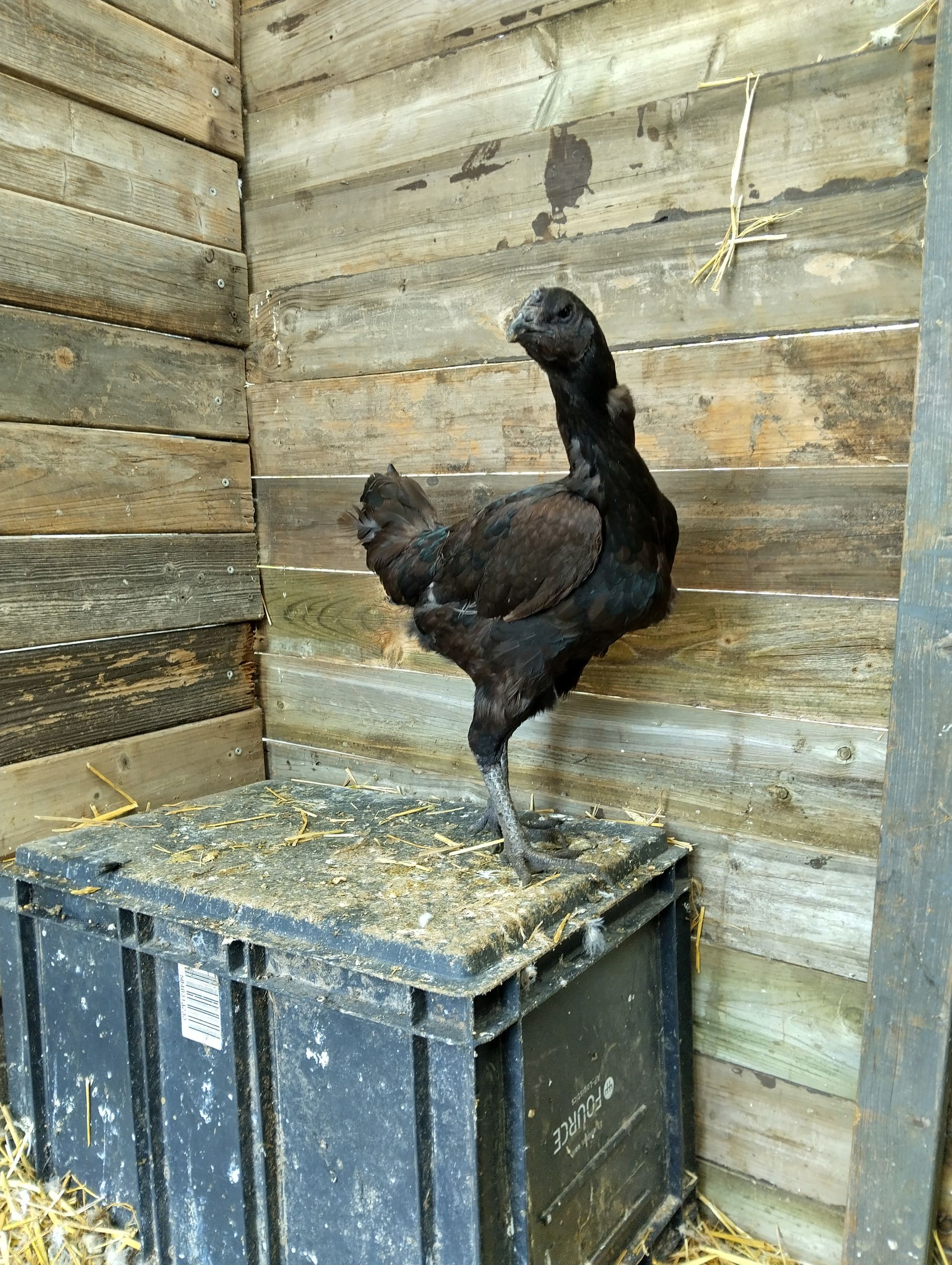
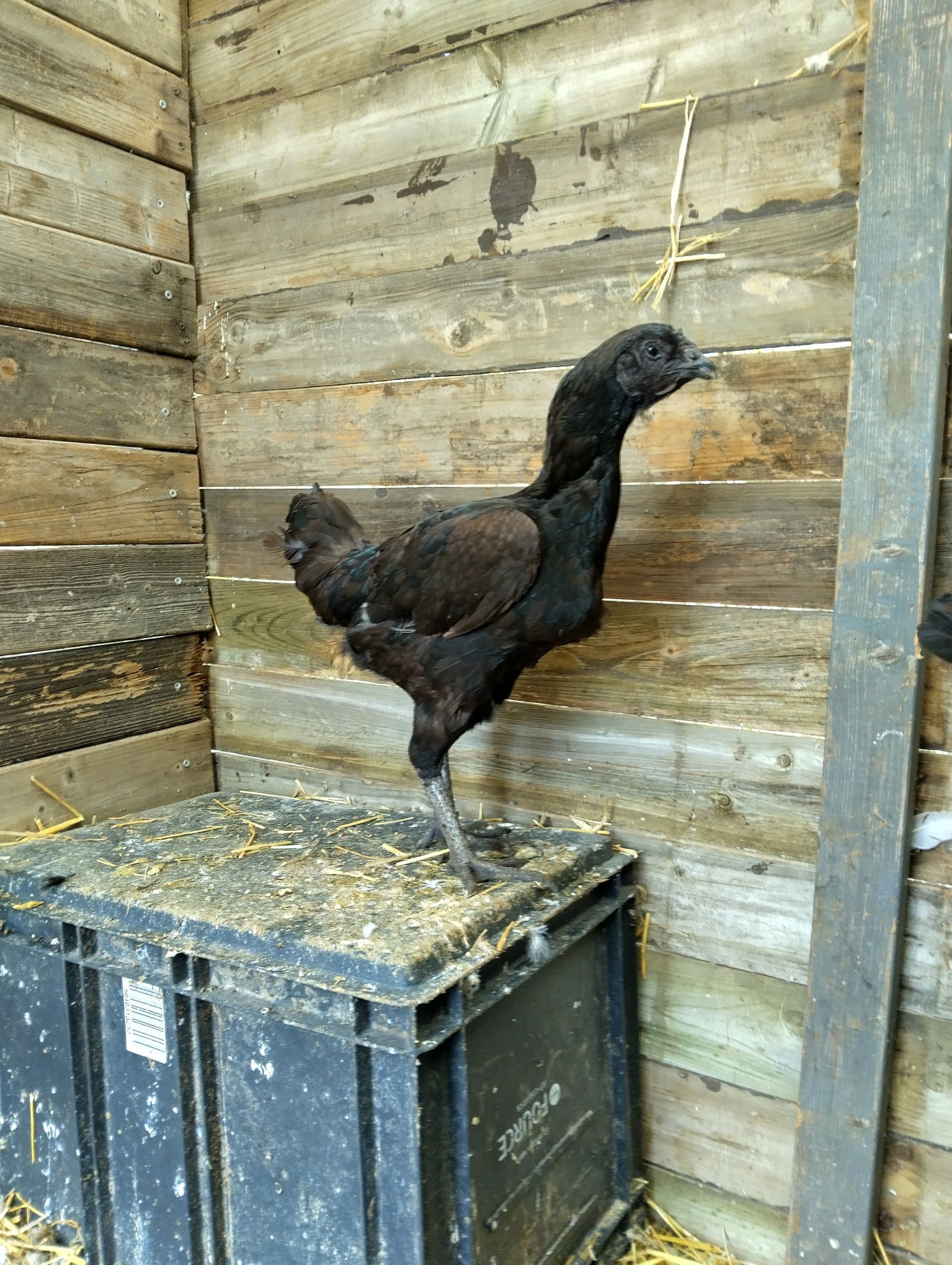
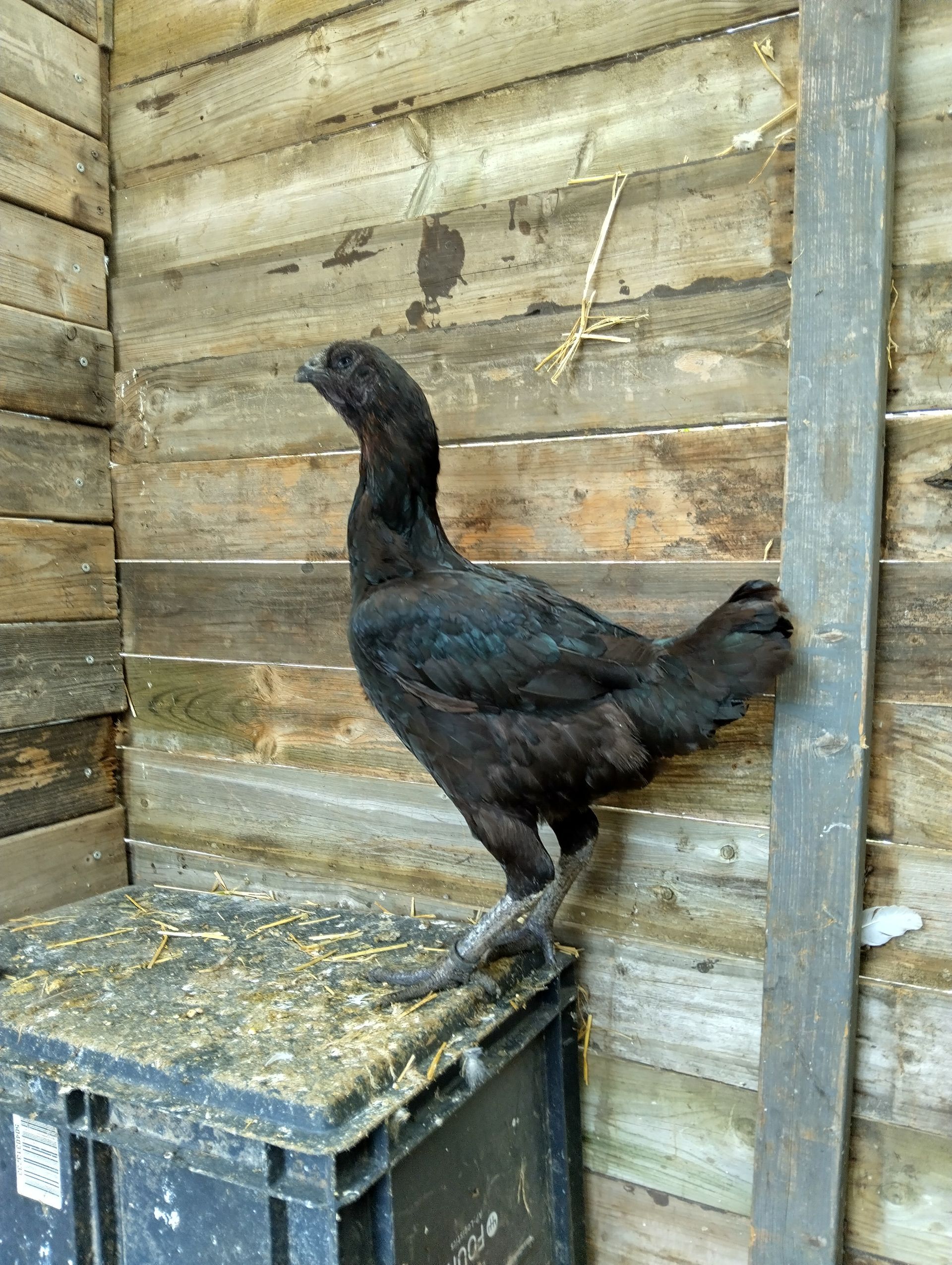
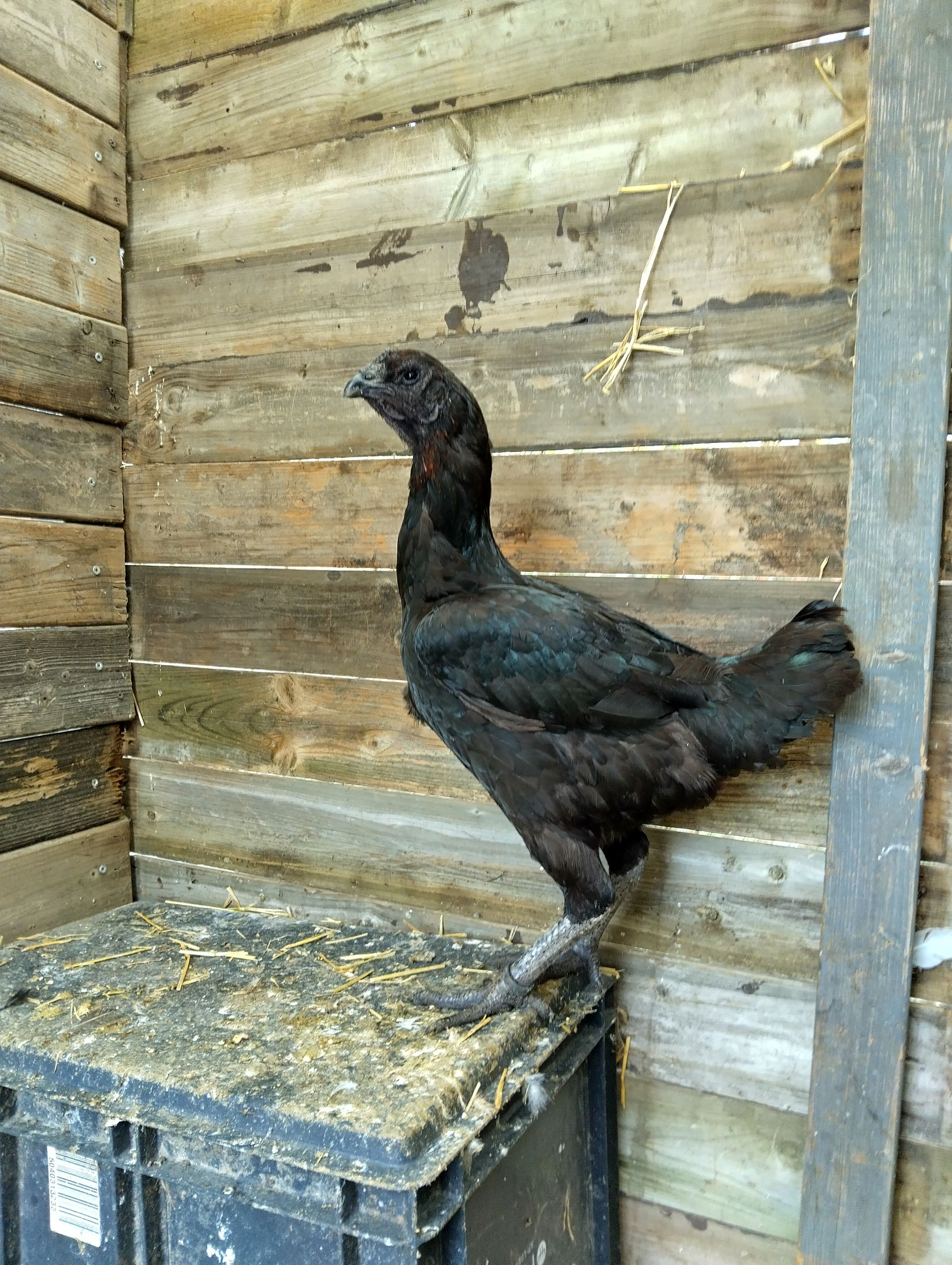
There was something about their overall appearance that continued to bother me. I struggled to recognise the characteristics I associate with the Bruges fighter.

My recurring thought was simple:

"This is not Bruges fighter."

Interestingly, I was not the only one who noticed something unusual.

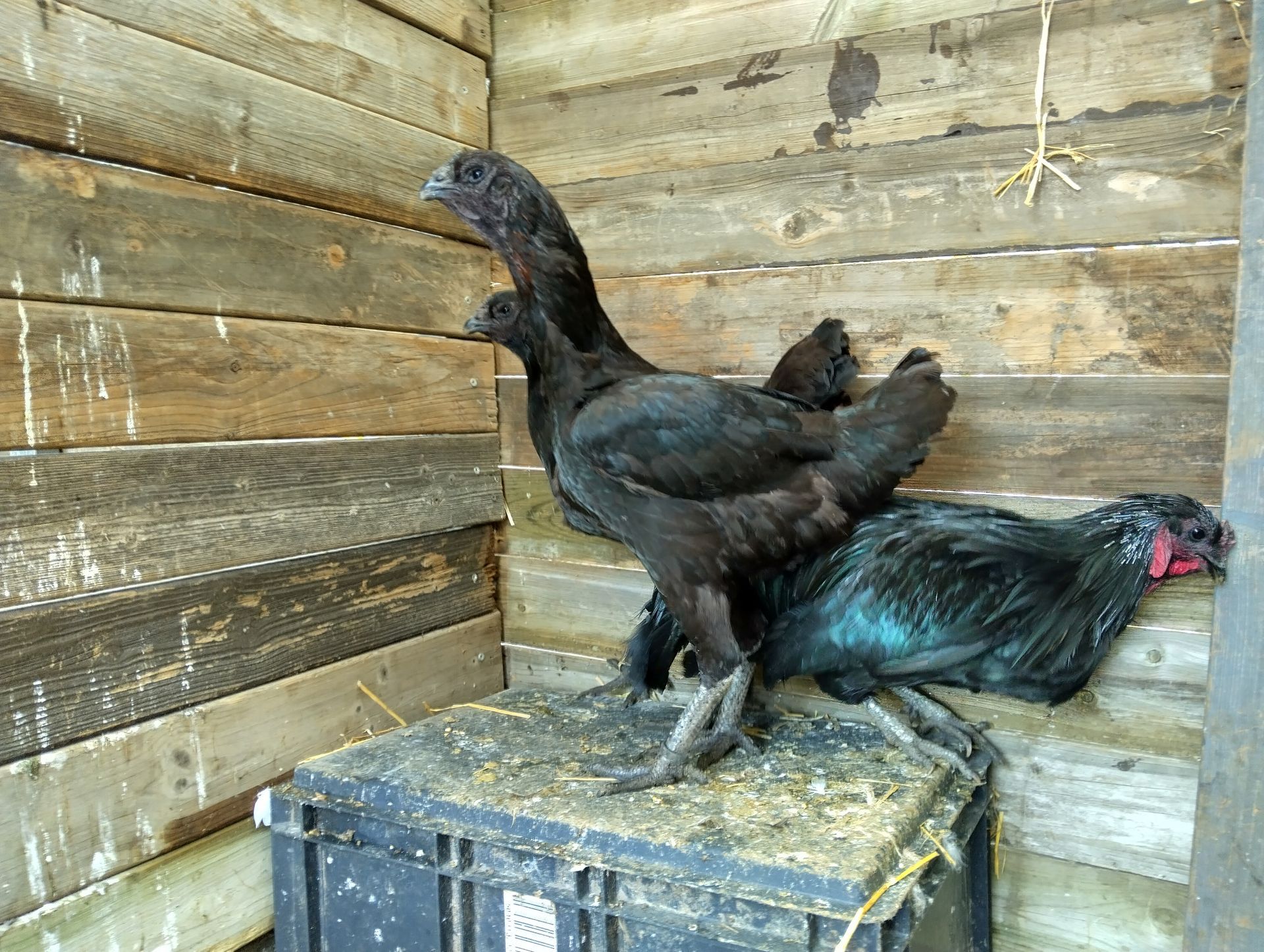
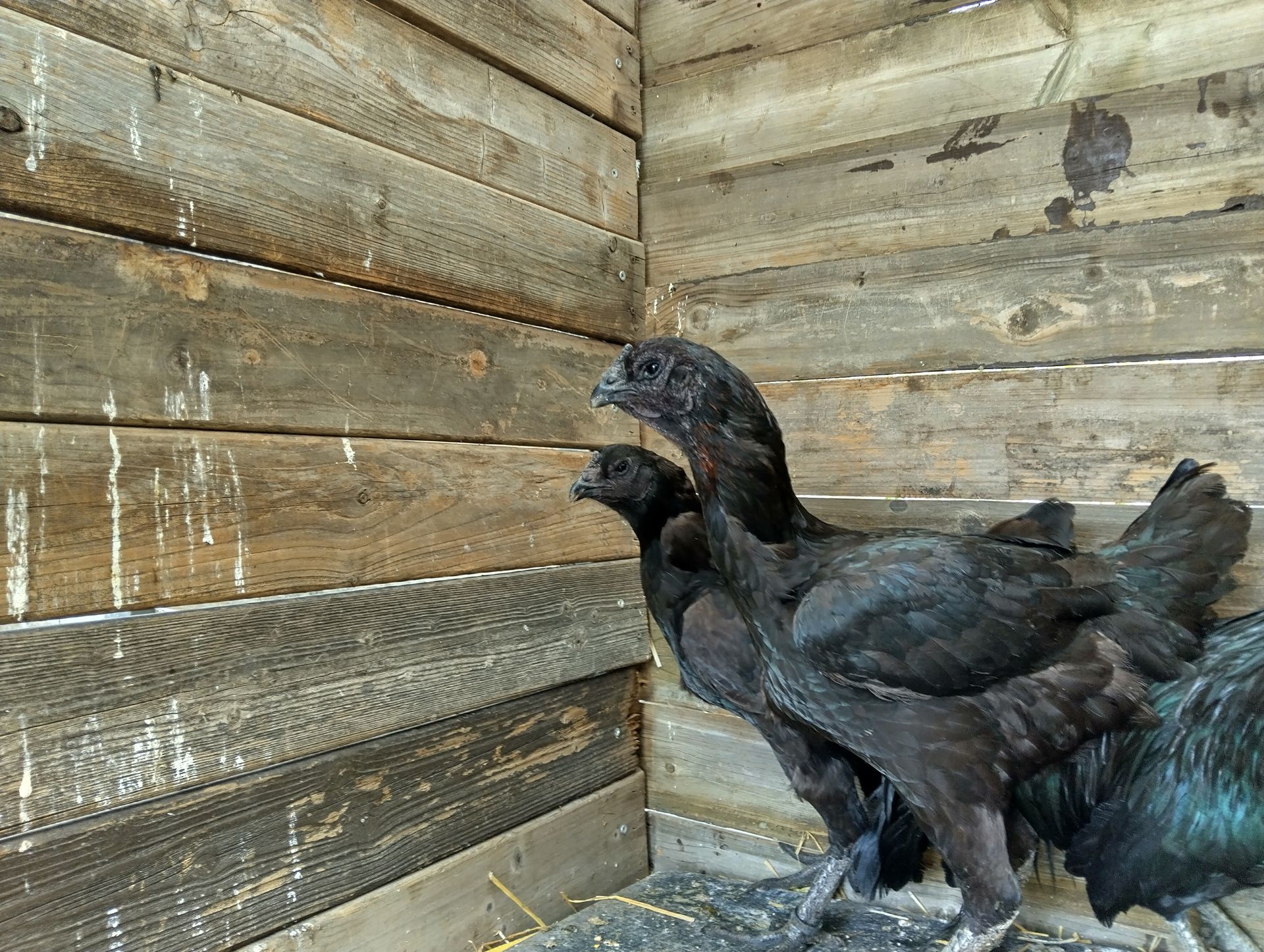
On several occasions, I invited other breeders to visit and look at my birds. Without introducing the two hens or explaining their background, they independently asked me:

"What are those two? What breed are they?"

This happened several times. The visitors noticed the unusual appearance of the hens before I had even mentioned their bloodline.

For me, that was quite telling. When other breeders independently question whether certain birds even resemble the breed they are supposed to represent, it reinforces the need to take a closer look at their type and breeding background.

3. Testing the Bloodline Through Crosses
To give the Rudy Piro hens another opportunity to demonstrate their breeding value, I also introduced other bloodlines.

I used a particularly impressive rooster from Andy Mahr bloodline, and I also had access to roosters from KV/AK/JDM bloodlines.

However, the resulting offspring did not change my opinion.

The crosses continued to produce unusual, rather bizarre-looking birds with a strong Malay influence.

I also tested other bloodlines crossed onto the Rudy Piro hens. Unfortunately, the results showed similar tendencies.

The recurring characteristics included:
  • An excessively tall and slender build.
  • Excessive leg length combined with insufficient body substance.
  • A pronounced Malay-type head.
  • An overall appearance that differed considerably from my desired Bruges Gamefowl type.


What concerned me most was not simply the appearance of individual birds, but the consistency with which these characteristics reappeared across different crosses.

At that point, I felt I had given the bloodline sufficient opportunities to demonstrate its value.

4. My Final Decision: No Longer Suitable for My Bruges fighter Programme
After evaluating the original offspring, the two older hens and their subsequent crosses, I reached a definitive conclusion.

The entire Rudy Piro bloodline receives a red flag in my Bruges fighter breeding programme.

I will no longer use it for breeding Bruges fighter.

This is not a decision based on one unsuccessful pairing or a handful of disappointing individuals. It follows several rounds of observation and experimentation, including crosses with different bloodlines.

In my opinion, the recurring type is simply too far removed from the characteristics I want to preserve in the Bruges fighter.

I have no interest in maintaining a bloodline merely because of its reputation, pedigree or the name attached to it.

A bloodline must prove its value through the actual birds it produces.

5. A Different Purpose: Potential for My Malagasy Naked-Neck Project
Interestingly, although I have rejected the Rudy Piro bloodline for my Bruges fighter programme, I do see potential for using some of its characteristics elsewhere.

The strong black pigmentation, considerable leg length and pronounced Malay-type appearance could potentially be useful in a completely different breeding project.

I am therefore considering using the Rudy Piro hens in crosses with black-pigmented Malagasy Naked-Neck birds.

The objective is to explore whether these characteristics could contribute to the development of black Malagasy Naked-Neck birds.

This is an entirely separate project and should not be confused with my Bruges fighter breeding programme.

6. A Second Experimental Direction: Sumatra
I am also exploring another direction with the Rudy Piro hens.

Besides the Malagasy Naked-Neck crosses, I am experimenting with Sumatra roosters.

The idea is to investigate what these combinations might produce in terms of pigmentation, appearance and overall characteristics.

These are experimental crosses, and I am not making any claims about their eventual results. They are simply separate breeding experiments that allow me to explore the potential of certain characteristics outside the Bruges fighter.

In other words, rejecting a bloodline for one breeding objective does not necessarily mean that every characteristic it carries is without potential elsewhere.

Final Thoughts
My experience with Rudy Piro has taught me an important lesson: a bloodline should never be judged solely by its name, reputation or pedigree.

I first tested this bloodline in Congo in 2024. Two years later, I gave it another opportunity by acquiring two older hens. I observed them throughout the summer, allowed other breeders to evaluate them independently, and tested them against different bloodlines.

The outcome remained consistent.

For my Bruges fighter programme, I consider this chapter closed.
I want to make one distinction clear: my criticism concerns the Rudy Piro bloodline and the breeding results I personally experienced. Joost De Meyer was the source through whom I obtained some of these birds and eggs. My evaluation should not be interpreted as a personal criticism of him.

Ultimately, I believe breeders must be prepared to question bloodlines, regardless of their reputation or origin. Sentiment, famous names and pedigree papers should never take precedence over the actual quality and consistency of the offspring.

Not every bloodline deserves a place in a breeding programme simply because it carries a name or pedigree. In the end, the birds themselves must justify their place.

And in my Bruges fighter programme, the Rudy Piro bloodline has failed that test.

All observations and conclusions expressed in this article are based on my personal breeding experience, the individual birds I evaluated and the crosses I conducted. They represent my own assessment and breeding objectives, rather than a universal judgement on every bird carrying this bloodline.