
Selective Breeding or Selective Selling? Peddler Paul Vandenbussche - part 2
Every year, we hear the same familiar story: Paul is supposedly selecting his Bruges fighters carefully, improving his bloodlines and maintaining the quality of the breed.
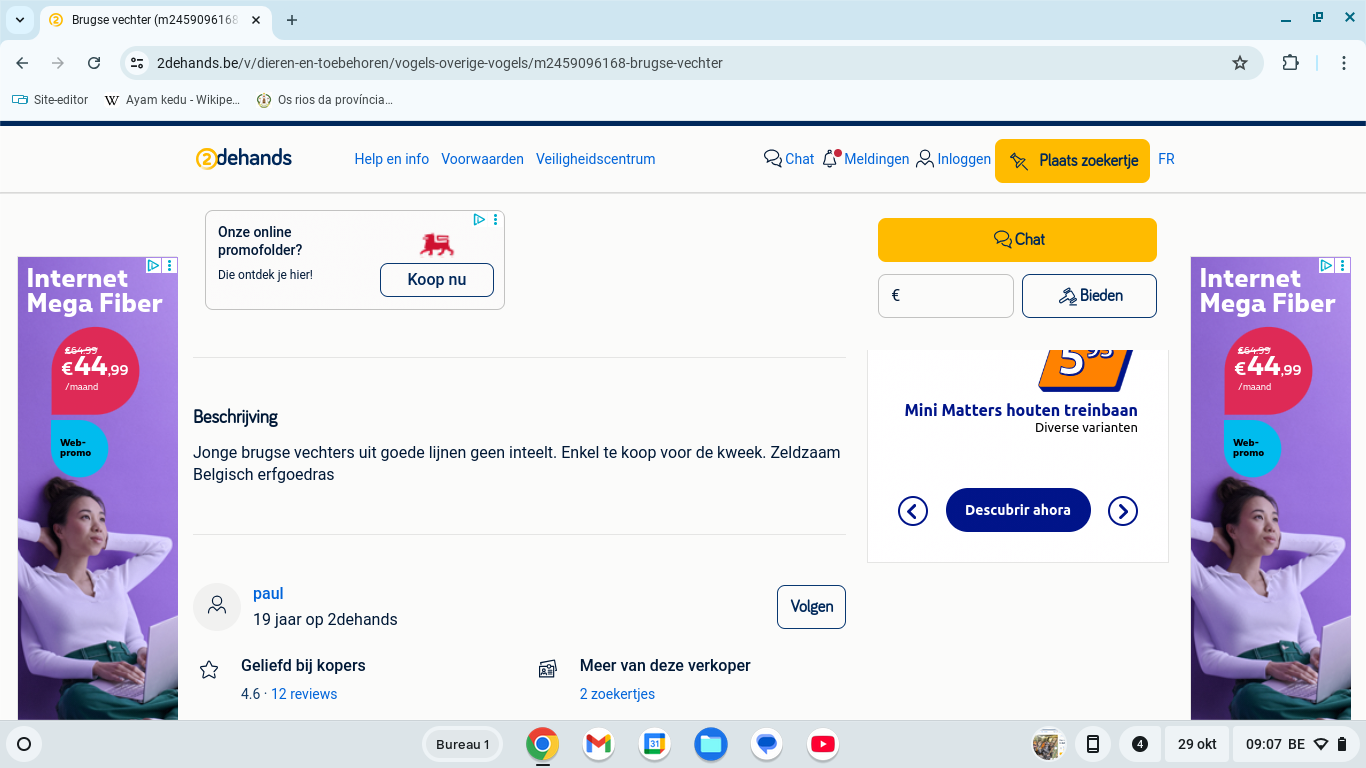
Yet, when looking at some of the birds being offered for sale on 2dehands.be, one has to seriously question that narrative.
At some point, words about selection and genetic quality need to be backed up by the actual birds being produced and sold.
And frankly, some of these specimens are not exactly doing the Bruges fighter any favours.
Let's look at the birds themselves.
Head characteristics and comb structure
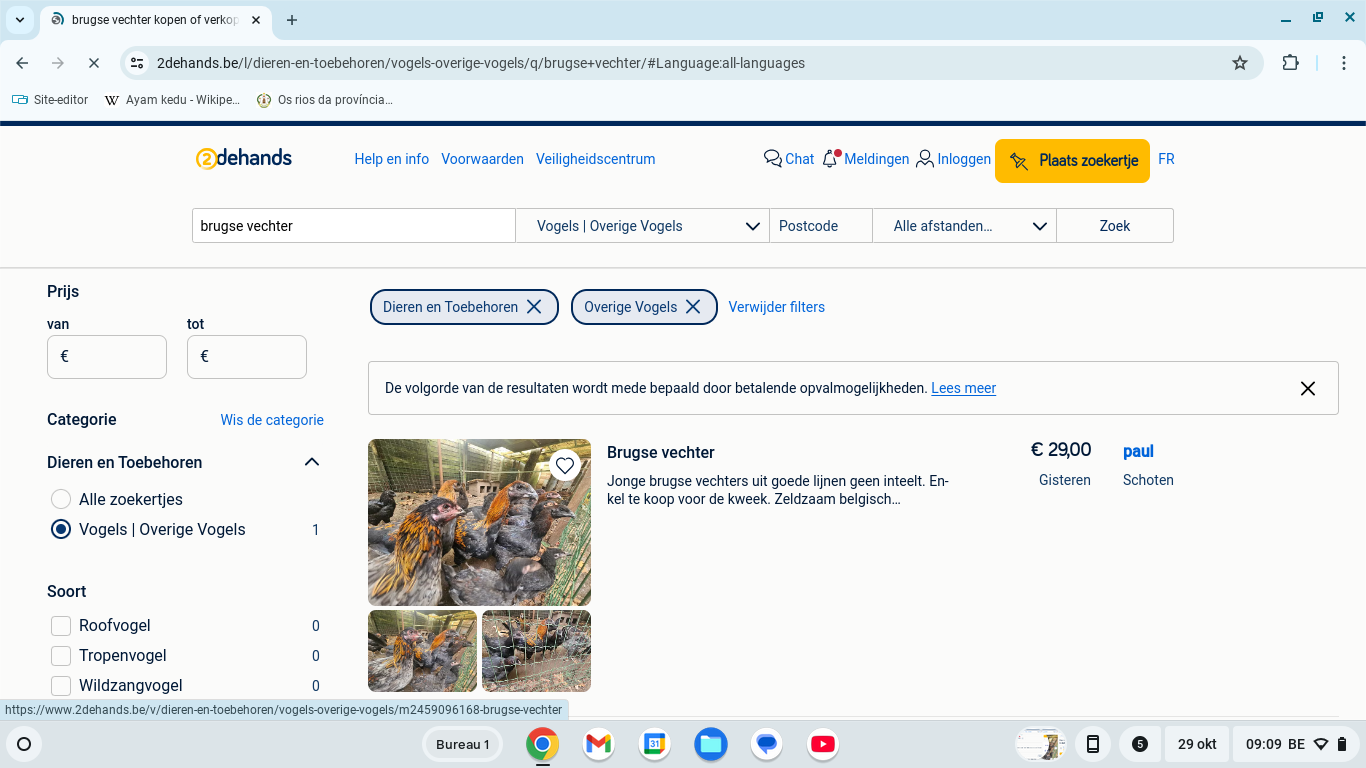
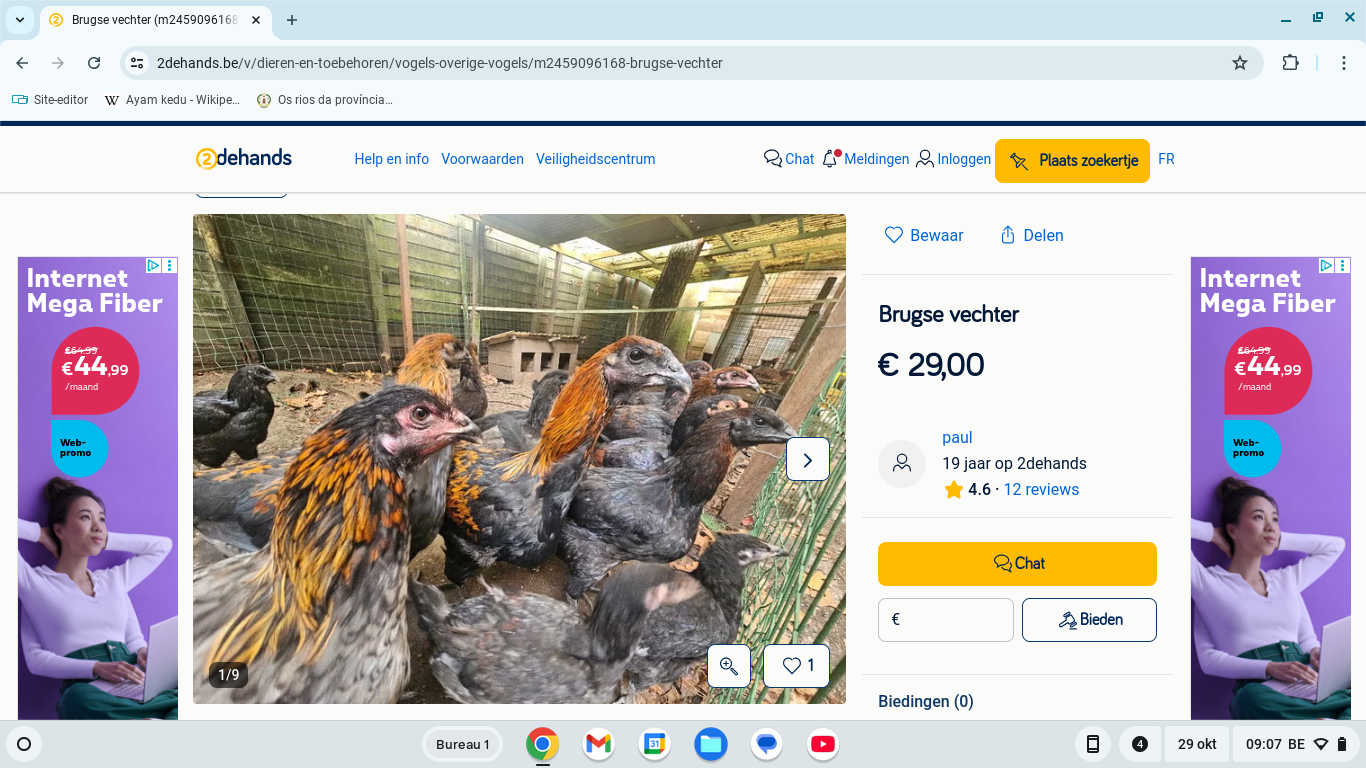
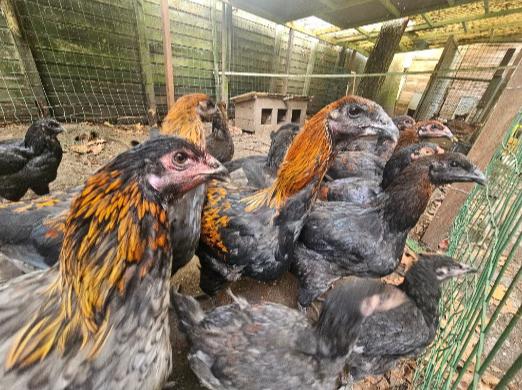
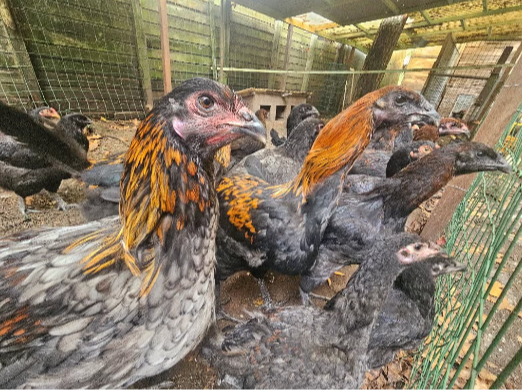
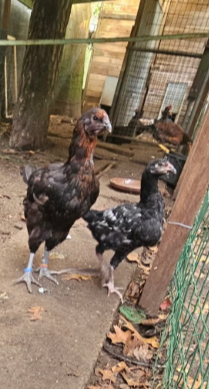
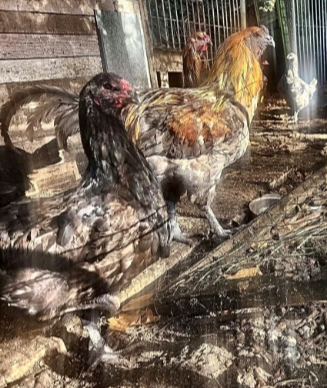
One of the birds displays a noticeably crooked beak. More importantly, the comb lacks the characteristic three-row structure expected in the Bruges fighter. Instead, it shows a comb type associated with the Malay.
This is particularly concerning because Malay blood has sometimes been used by breeders seeking to reduce the size of head ornaments. But manipulating individual characteristics at the expense of breed identity is not necessarily improvement.
Overall quality and condition
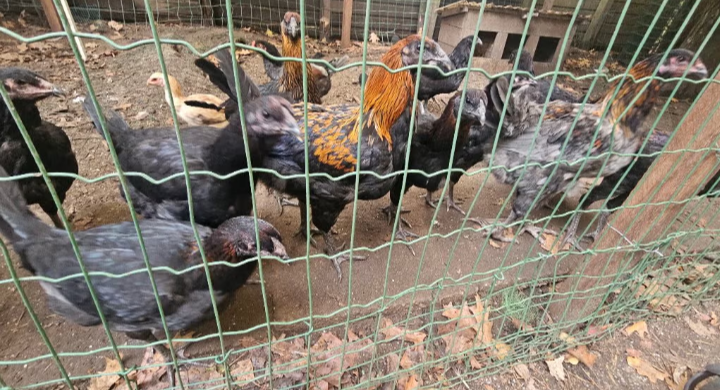
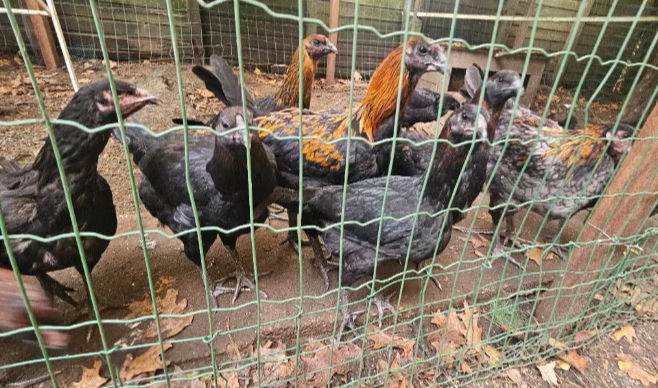
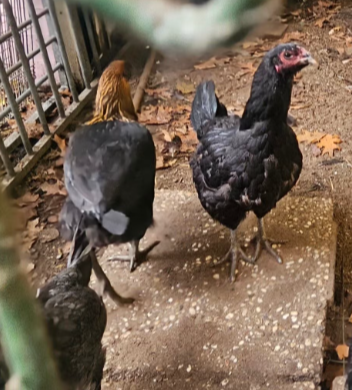
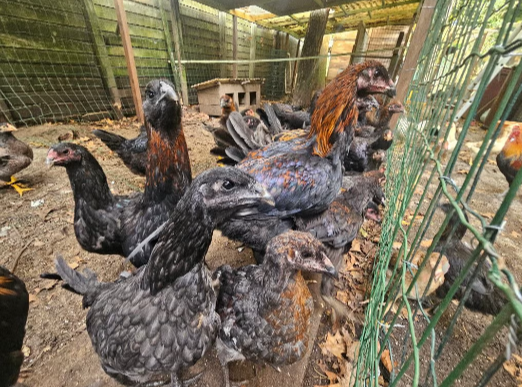
Then there are the birds themselves: rather poor in substance, with white toes and white nails, characteristics that deserve careful consideration when evaluating breed conformity.
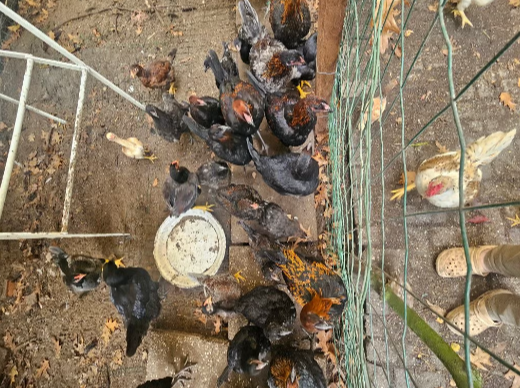
Their general condition also leaves something to be desired. These are not specimens that immediately inspire confidence in a serious breeding programme.
Talking about selection is easy. Actually selecting is another matter.
You cannot spend every year talking about selection while continuing to sell birds that raise so many questions about their quality, type and conformity.
A breeder who genuinely cares about a breed should be ruthless in selection. Not every bird deserves to reproduce, and certainly not every bird deserves to be sold as valuable breeding material.
Selling everything that comes out of the breeding pens is not selection. It is simply selling birds.
The damage to the breed
The biggest problem is not necessarily one questionable bird being offered for sale. It is the possibility that inexperienced breeders will purchase such animals, introduce them into their own breeding programmes and unknowingly take several steps backwards.
Poor selection can spread through a breeding population surprisingly quickly. Recovering lost type, structure and consistency can take generations.
And that is precisely why breeders have a responsibility that goes beyond making a sale.
My personal opinion?
Perhaps the greatest contribution Paul Vandenbusche could make to the future of the Bruges fighter would be to stop breeding and selling them altogether.
Or, at the very least, buyers should become considerably more critical about what they purchase and from whom.
Because buying questionable breeding stock simply because someone claims it carries excellent genetics is not an investment in the breed.
It is potentially an expensive setback.
The Bruges fighter deserves better. Much better.
Preserving a breed means protecting its identity, maintaining its standards and having the courage to discard inferior specimens. Anything less is not serious breeding.
Contact
info@ornamental-breeders.org
(Only for international mail. No unsolicited visits.)
